Delivering in Challenging Environments: DEMEX’s Approach to Remote Demolition
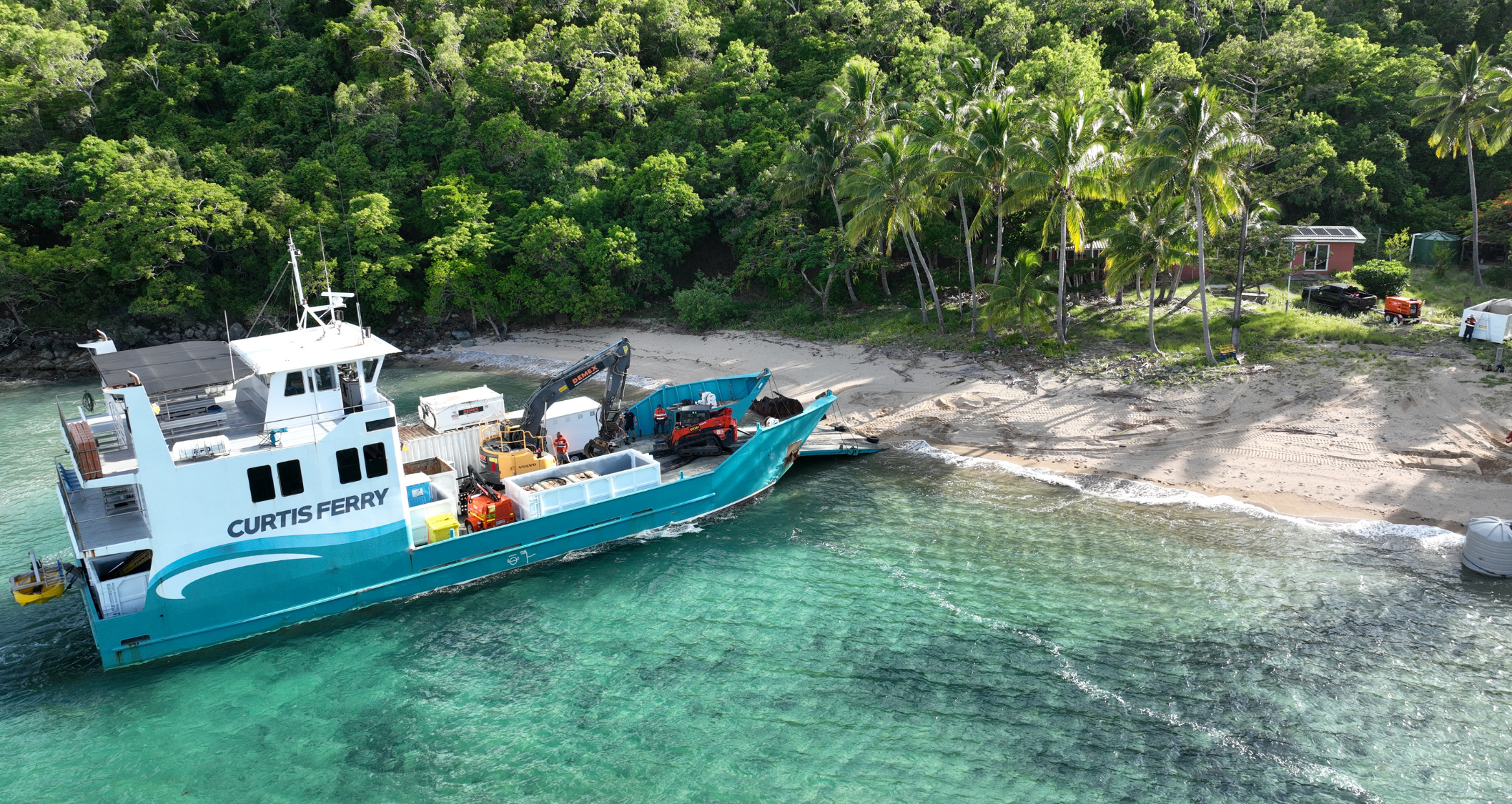
Remote and island based demolition projects aren’t just more challenging, they’re a completely different discipline.
There’s no quick access to materials, no extra labour on standby, and no room for reactive decision making. Every move is shaped by tides, weather, and logistics that need to be right the first time. It’s in these conditions that DEMEX has built its capability.
Over the past several years, DEMEX has delivered remote island clean up and remediation projects across some of Queensland’s most isolated locations, developing a model built around control, planning, and self sufficient delivery. That means mobilising everything required to complete the job, from plant and fuel through to accommodation and essential supplies, while aligning works to tight marine access windows and strict environmental and cultural heritage requirements.
But this capability hasn’t come from one project. It’s been built and refined across a range of remote environments where no two sites behave the same. From large scale island clean ups through to constrained community based works and highly remote locations, each project has reinforced the same requirement: preparation needs to be thorough, and execution needs to stay controlled regardless of conditions.
Working across locations such as Great Keppel Island, Wild Duck Island, St Bees Island, Thursday Island, and more recently the Pajinka Precinct Redevelopment, DEMEX has continued to strengthen its ability to plan, mobilise, and deliver in environments where access is limited and conditions can change quickly. These are projects where logistics can dictate the program, environmental considerations are front of mind, and cultural engagement is critical to delivery.
That approach extends beyond demolition. Remote projects demand a contractor that understands the full lifecycle of an asset. DEMEX delivers this through an integrated scope that includes hazardous materials removal, structural demolition, contaminated land remediation, civil works, and recycling outcomes that consistently exceed 90% diversion from landfill.
On projects like Wild Duck Island, this approach has translated into industry recognition, with the project receiving a World Demolition Award in 2024 for Contract of the Year Under US$1 million.
Across every location, the principle remains the same. It’s not just about getting to site, it’s about having the capability to mobilise properly and maintaining control once you’re there. In environments like these, planning done properly, backed by experience, is what makes delivery possible.
If you’ve got a project in a remote or challenging location, our team is ready to support.